

Table of Contents
- What Makes a Fandom Collectible High Quality
- How to Spot Fake Fandom Figures and Bootlegs
- Identifying Licensed Fandom Products You Can Trust
- Material Quality and Durability Standards
- Grading Standards Explained
- How to Store Fandom Merchandise Properly
- Rarity, Limited Editions, and Investment Potential
- Building Your Collection With Confidence
- Frequently Asked Questions
Last Updated: October 4, 2026
What Makes a Fandom Collectible High Quality
High quality fandom collectibles are more than just toys or trinkets, they're carefully crafted pieces that capture the essence of beloved characters and stories. At ONCE UPON A PACKAGE, we curate items that meet strict standards for authenticity, craftsmanship, and durability. Identifying these quality pieces means understanding what separates a collectible worth keeping from one that falls apart in your hands.
The difference between a high quality fandom collectible and a cheap knockoff often comes down to details most people overlook. Paint application, material durability, sculpting accuracy, and official licensing all play a role. When you know what to look for, you'll spot quality instantly.
The Four Pillars of Quality
Every high quality fandom collectible rests on four foundational elements. First, material quality determines how long your piece lasts. Second, sculpting detail captures likeness-accurate representations of characters.
These four pillars work together. A figure with perfect sculpting but poor paint application still falls short. A licensed product made from cheap plastic won't hold its value.
Material durability matters most. Resin, high-grade vinyl, and quality plastics resist cracking and fading. Cheap materials yellow, crack, and deteriorate within months.
Sculpting detail brings characters to life. Look for fine facial features, accurate proportions, and realistic hair or texture work. Limited edition figures often feature hand-sculpted elements that mass-produced items skip.
Paint application separates professionals from amateurs. Clean lines, consistent color coverage, and no bleeding or drips indicate quality work. Hand-painted details show artistry.
Official licensing guarantees authenticity. Licensed products come from authorized manufacturers. They include authenticity certificates or official packaging marks. Bootlegs and counterfeits skip this step entirely.
How to Spot Fake Fandom Figures and Bootlegs
Counterfeit fandom figures flood the market. Learning to identify bootlegs protects your collection and your wallet. Fake figures look close enough to fool casual buyers but crumble under inspection.
Red Flags in Paint Application and Sculpting
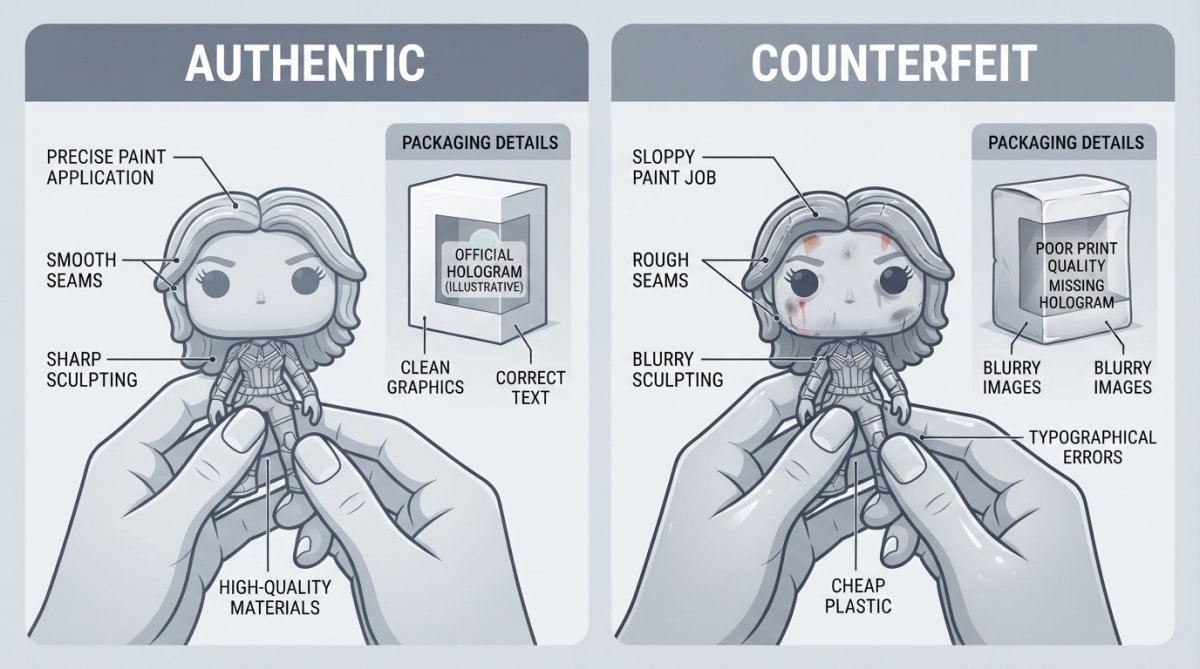
Bad paint application is the easiest counterfeit tell. Examine the figure closely under bright light. Real quality pieces have clean, precise paint lines. Bootlegs show bleeding where colors meet, uneven coverage, and visible brush strokes or spray patterns.
Check seams and joints carefully. Authentic figures have clean seams or no visible seams at all. Counterfeits display rough seams, misaligned parts, and visible glue residue. Run your finger along edges, quality pieces feel smooth. Bootlegs feel rough and unfinished.
Sculpting detail reveals authenticity quickly. Compare the figure to official product images. Does the face capture the character's likeness accurately? Are facial features sharp and distinct, or blurry and soft?
Check for consistency in production run quality. Licensed manufacturers maintain strict quality standards. Every figure from an official production run looks nearly identical. Bootlegs vary wildly, one unit has good paint, the next has terrible application. This inconsistency signals counterfeiting.
Checking Packaging Integrity and Authenticity Marks
Packaging tells the story. Official products arrive in pristine packaging with clear branding, correct spelling, and high-quality printing. Counterfeit packaging looks cheap, colors appear faded, text looks blurry, logos appear slightly off.
Look for authenticity certificates or official holograms. Many licensed collectibles include these markers inside the box. Bootlegs omit them entirely or include obvious fakes. Real certificates feature security features like raised printing or color-shifting holograms.
Check the product code or serial number. Authentic figures include batch numbers or production codes. These numbers appear clearly printed, never hand-written or sticker-applied. Verify the code on the manufacturer's website if possible.
Examine the packaging materials. Real boxes use quality cardboard with secure sealing. Bootleg packaging feels flimsy, uses cheap materials, and seals poorly. Official packaging protects the figure inside, bootleg packaging often allows the figure to shift and rattle.
Identifying Licensed Fandom Products You Can Trust
Official licensing separates legitimate collectibles from unlicensed knockoffs. Licensed products carry legal authority and quality guarantees. They support the creators and franchises you love.
Look for official licensing marks on packaging. These appear as small logos or text stating "officially licensed" or "authorized by [franchise name]." Real licensing marks look professional and appear consistently across all packaging elements.
Check the retailer. Authorized retailers like ONCE UPON A PACKAGE carefully vet every product. We source from official manufacturers and verify licensing before curation. Shopping through trusted retailers eliminates counterfeits.
Research the manufacturer. Official manufacturers have websites, customer service, and verifiable histories. Bootleg manufacturers operate anonymously, often from overseas with no customer support. A quick search reveals whether the maker is legitimate.
Compare pricing. Licensed products cost more than counterfeits, that's normal. Quality materials, official licensing, and proper manufacturing all add cost. If a price seems too good to be true, it probably is. Counterfeiters undercut legitimate prices dramatically to move inventory.
Material Quality and Durability Standards
Material composition determines longevity. High quality fandom collectibles use materials engineered to last decades. Cheap materials degrade quickly, discolor, and become brittle.
Enamel Pins and Metal Components
Enamel pins represent quality through metal type and enamel application. Real enamel pins use brass or zinc alloy bases, these metals resist corrosion and feel substantial. Cheap pins use thin steel or pot metal that rusts and tarnishes.
Enamel application should be smooth and glossy on quality pins. Run your finger across the surface, it should feel even, never bumpy or grainy. Cheap enamel looks dull, feels rough, and chips easily.
Check the pin back. Quality enamel pins use secure butterfly backs or rubber backs that hold firmly. Bootleg pins have loose backs that fall off easily. The back should feel sturdy and well-attached, never wobbly.
Examine the enamel color. Official enamel pins maintain color consistency, every pin looks identical. Bootlegs vary in color saturation and shade. This inconsistency signals poor quality control.
Resin, Plastic, and Vinyl Construction
Resin figures offer durability when properly cast. Quality resin feels smooth, not grainy or porous. Hold it up to light, quality resin appears translucent or evenly opaque, never cloudy or discolored.
Vinyl construction requires specific material grades. High-grade vinyl resists yellowing and cracking. It feels flexible but sturdy, never brittle or rubbery. Cheap vinyl becomes sticky in heat and cracks in cold.
Plastic quality varies dramatically. ABS plastic and polystyrene offer durability. They resist impact, maintain color, and don't become brittle over time. Low-grade plastics yellow, crack easily, and feel cheap in your hand.
Check for manufacturing defects. Quality pieces emerge from molds with minimal flashing or excess material. Bootlegs show heavy flashing, rough edges, and visible mold lines. These defects indicate poor manufacturing standards.
Grading Standards Explained
Collectible grading provides objective quality assessment. Understanding grading standards helps you evaluate pieces fairly and compare values. Professional graders use consistent criteria across all collectibles.
Most grading scales run from 1 to 10, with 10 being perfect condition. A grade of 9 or higher indicates mint or near-mint status, essentially flawless. Grades 7-8 represent excellent condition with minimal wear.
Grading considers multiple factors: paint quality, sculpting integrity, packaging condition, and overall presentation. A figure might grade 8 for sculpting but 6 for paint application, resulting in an overall 7. This nuanced approach reflects real-world condition.
Packaging condition affects grading significantly. Collectibles in original, pristine packaging grade higher than loose figures. Sealed packages command premium prices. Opened but well-preserved packaging still adds substantial value.
Professional grading services provide certified grades. These services use standardized criteria and protective encasing. Certified grades increase resale value and provide confidence in condition assessment. For high-value pieces, professional grading justifies the investment.
How to Store Fandom Merchandise Properly
Proper storage preserves your collection's condition and value. Environmental factors like light, temperature, and humidity directly impact material durability. Strategic storage keeps pieces looking new for decades.
Store collectibles away from direct sunlight. UV light fades paint, yellows plastic, and damages enamel. Use display cases with UV-blocking glass or keep pieces in dark storage.
Maintain stable temperature and humidity. Extreme heat causes vinyl to warp and plastic to become brittle. High humidity promotes mold and corrosion on metal components.
Use acid-free storage materials. Standard cardboard and tissue paper contain acids that damage collectibles over time. Acid-free boxes, tissue, and padding protect pieces from chemical degradation.
Handle pieces with clean hands or cotton gloves. Oils from skin transfer to paint and can cause deterioration. Gloves prevent accidental damage from drops or slips.
Keep original packaging when possible. Packaging protects figures and significantly increases resale value. Store boxes flat in a cool, dry location. Never crush or fold packaging, even temporarily.
Rarity, Limited Editions, and Investment Potential
Limited edition collectibles build value over time. Understanding rarity markers helps you identify pieces likely to appreciate. Production runs, exclusivity, and demand all influence investment potential.
Production run size determines rarity. Figures produced in limited quantities become scarce as collectors acquire them. A production run of 500 pieces worldwide creates genuine scarcity.
Look for rarity markings on packaging or certificates. Official manufacturers often number limited editions, "1 of 500" or similar markings prove scarcity.
Exclusive releases command premium prices. Collectibles available only at specific retailers or events become harder to find as time passes.
Secondary market demand drives investment value. Check completed sales on collector forums and resale platforms. Pieces that consistently sell above retail price show strong demand.
Character popularity affects investment potential. Collectibles featuring beloved characters appreciate faster than obscure character variants.
Build investment potential by choosing quality pieces. High-condition, officially licensed, limited-edition collectibles appreciate most reliably. Condition matters enormously, a mint-condition piece appreciates while a damaged version depreciates.
Building Your Collection With Confidence
Start by defining your collection focus. Collecting everything dilutes value and creates storage challenges. Choose specific characters, franchises, or collectible types.
Set a budget and stick to it. Quality collectibles vary widely in price. Establish spending limits to avoid impulse purchases.
Research before purchasing. Compare prices across retailers. Check condition carefully through photos or in-person inspection. Read reviews from other collectors. This research prevents costly mistakes and ensures you're getting genuine value.
Buy from trusted sources like ONCE UPON A PACKAGE. When you subscribe to our Princess Fan Box or explore our Pin of the Month Club, you're getting vetted collectibles, not mystery purchases.

Connect with other collectors. Online forums and collector communities share authentication tips and market insights. These communities help you learn quickly and avoid common pitfalls.
Document your collection. Keep records of purchase dates, prices, and condition assessments. Photograph pieces from multiple angles. This documentation proves ownership, tracks appreciation, and simplifies insurance claims.
Identifying high quality fandom collectibles protects your investment and ensures satisfaction with every purchase. Quality pieces bring joy for decades while cheap counterfeits disappoint quickly.
Frequently Asked Questions
What makes a fandom collectible high quality?
High quality fandom collectibles combine accurate likeness to the character, precise paint application, durable materials, and official licensing. Look for consistent dimensions, clean sculpting detail, and packaging that protects the item. Premium items use enamel or quality vinyl construction, have minimal paint imperfections, and come with authenticity certificates or official branding. The best collectibles maintain their condition and resale value over time.
How can I tell if a fandom figure is authentic or a bootleg?
Bootlegs typically show poor paint application with uneven coverage, bleeding colors, or misaligned details. Check the packaging for spelling errors, blurry printing, or missing official logos. Authentic figures have clean seams, consistent dimensions, and proper weight for their size. Counterfeit items often feel lighter or cheaper. Verify the manufacturer name matches official records, and look for authenticity certificates. If the price seems too low for the rarity, it's likely counterfeit.
What materials should I look for in premium fandom merchandise?
Premium fandom collectibles use quality enamel pins with proper metal backing, durable resin or vinyl for figurines, and thick cardboard packaging. Avoid items with thin plastic, cheap paint finishes, or flimsy construction. Material durability affects both longevity and resale value. High-quality enamel pins have smooth edges and vibrant color consistency. Figurines should feel substantial in weight and have clean, detailed sculpting. Check product listings for material specifications and customer photos showing the items in hand.
Are limited edition fandom items always better quality?
Limited edition status doesn't guarantee quality, but it often affects resale value and investment potential. A limited production run means fewer copies exist, which can increase secondary market demand. However, quality depends on materials, craftsmanship, and official licensing, not just scarcity. Some limited editions are poorly made, while some mass-produced items are excellent quality. Evaluate each collectible on its own merits: paint application, material durability, likeness accuracy, and packaging integrity. Limited edition items with poor quality lose value faster than well-made standard releases.