

Table of Contents
- Why Villain Collectors Need Different Subscription Boxes
- Book Boxes Similar to FairyLoot: What Sets Them Apart
- Villain-Themed Subscription Boxes: A Collector's Comparison
- Special Edition Book Boxes: Quality, Value, and Collectibility
- OwlCrate vs FairyLoot: Which Serves Dark Fantasy Readers Better
- Pricing, Cancellation, and Hidden Costs: What You Actually Pay
- Choosing the Right Box for Your Villain Collection
- Frequently Asked Questions
Last Updated: October 13, 2026
Why Villain Collectors Need Different Subscription Boxes
If you collect villain-themed books and merchandise, you've noticed most subscription boxes treat villains as an afterthought, and if you're exploring fairyloot alternatives for villain collectors, you've likely found the selection limited, focusing on heroes and "safe" characters and leaving you to dig for dark fantasy content yourself.

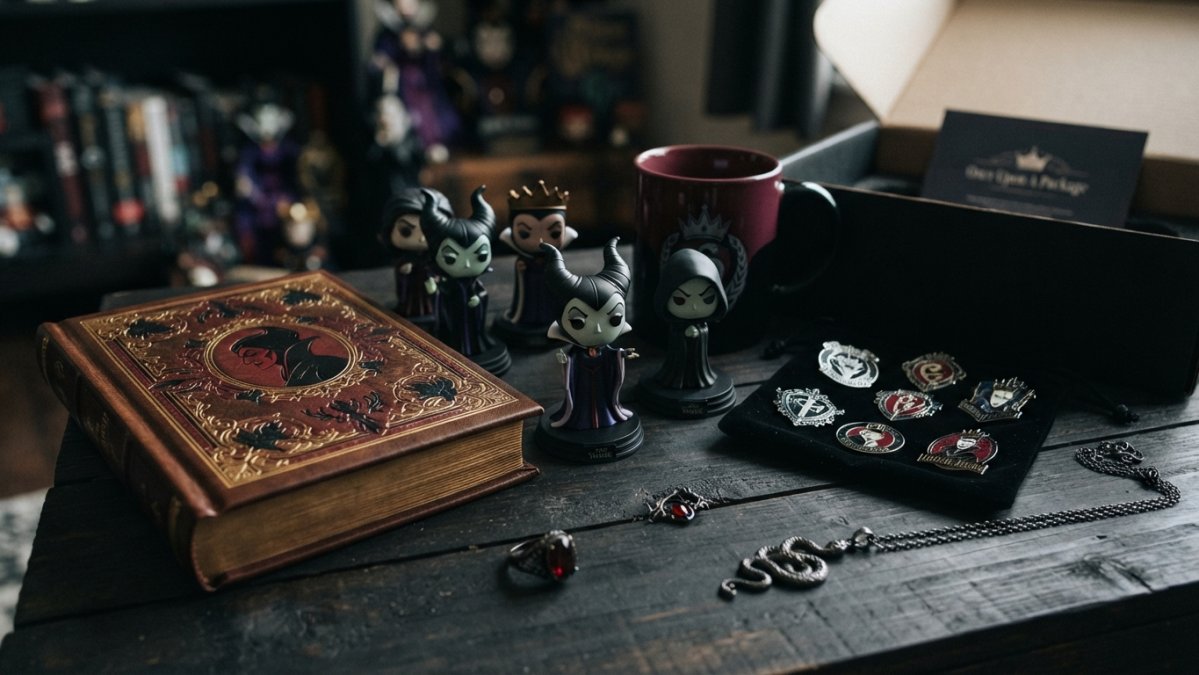
Villain collectors want exclusive editions with darker cover designs, figurines worth displaying, and dark fantasy curation, real display value, not filler.
The challenge is finding a subscription that understands this niche.
Book Boxes Similar to FairyLoot: What Sets Them Apart
Several subscription services offer alternatives to the mainstream approach, differing in villain-themed curation and special edition focus.
When comparing book boxes similar to FairyLoot, the key differences are edition quality, collectible selection, and commitment to dark fantasy. Some include bookish goodies; others focus purely on special editions with sprayed edges, illustrated covers, and limited print runs.
The real distinction is philosophy: does the box treat villain content as a core focus or a seasonal novelty, and are the collectibles quality pieces or filler?
Villain-Themed Subscription Boxes: A Collector's Comparison
Villain-themed subscription boxes exist but are rare, and quality varies. Most "comparison" content lists boxes without telling you how to judge whether one serves villain collectors or just borrows the aesthetic for a month.
Here's a concrete framework to apply to any box.
The five-point villain-fit test
Score any candidate box on these five dimensions; failing two or more means it probably isn't built for you.
- Villain frequency in past themes. Pull the last 12 months of theme announcements and unboxing posts and count how many featured an antagonist, antihero, or morally gray protagonist as the headline character. One per year means a general fantasy box with a Halloween special; three or more means it's curating for you.
- Character roster depth. Are the villains the same five Disney-style icons every box reuses, or does curation reach into dark fantasy, gothic romance, and adult fantasy antagonists? A box featuring only the most merchandisable villains optimizes for broad appeal, not range.
- Item type mix. Villain collectors want display pieces, figurines, art prints, enamel pins, replica props, candles, more than consumables. Check whether the mix skews toward keepable objects or throwaway items.
- Book selection lean. Does the book skew YA with a villain side character, or include adult dark fantasy, gothic fantasy, and paranormal romance where the villain or antihero is central? Read past box titles, not marketing copy.
- Customization and skip options. Villain content is niche, so you won't want every theme. A box that lets you skip a month, swap an item, or choose between tiers beats one that locks you into every shipment.
What the landscape actually looks like
Very few subscription services are built villain-first. Most fall into three buckets:
- General fantasy boxes with occasional dark themes. The majority ship hero-forward curation most months and slot in a villain or dark fantasy theme once or twice a year. Expect plenty of content that isn't for you.
- Special-edition book boxes with dark-leaning catalogs. These focus on the book rather than merchandise and include adult fantasy, romantasy, and gothic titles more often than general boxes. The villain angle comes through book selection, not villain-branded merch.
- Villain-dedicated boxes. The rarest category treats antagonists as the entire premise, not a seasonal theme, and curates every item around that. Prioritize this if villains are your whole focus.
How to verify claims before you subscribe
Marketing language is cheap. Before you commit:
- Search the box name plus "unboxing," filter to the last six months, and look at what actually arrived, not promotional photos.
- Check the box's public theme history or social feed for the past year. No published past themes is a signal.
- Read the cancellation and skip policy before your first charge. Some make skipping easy in the dashboard; others require an email and a waiting period.
- Look for collector communities discussing what arrived and whether items held up. An active, critical community usually means more accountability than promotional posts alone.
The difference between a good villain box and a mediocre one comes down to whether the curator actually loves dark fantasy or is checking a box for a market segment. The five-point test tells you which, without paying for a year to find out.
Special Edition Book Boxes: Quality, Value, and Collectibility
Special edition books are the backbone of any serious villain collection, but subscription boxes vary wildly in edition quality.
When a subscription promises special editions, verify what that means: a different cover design, or premium production features worth displaying?
Collectibility matters too: an edition that sold 50,000 copies has less value than one that sold 5,000. Check whether boxes source exclusive editions created for the subscription or widely available ones anyone can buy separately.
Display value matters equally. Villain collectors want books for the shelf, not the closet, so pay attention to cover design, spine quality, and features like dust jackets.
OwlCrate vs FairyLoot: Which Serves Dark Fantasy Readers Better
OwlCrate and FairyLoot are the two names villain collectors run into first. Neither is villain-dedicated, but they fail differently, and understanding that helps you judge every alternative against a real baseline.
OwlCrate
OwlCrate is a long-running monthly box with a strong YA fantasy identity, pairing a special-edition book with themed goodies and leaning toward broad-appeal YA fantasy, romantasy, and popular series. For villain collectors:
- How often does a villain or antihero headline a theme? Villain-forward themes appear occasionally, not as a core pillar; most months center on a hero, romance, or general fantasy.
- What's the item mix? Goodies tend to be bookish lifestyle items, totes, candles, pins, art prints, mugs, rather than large display figurines. Fine for usable items, less ideal for shelf-centerpiece collectibles.
- Book selection. The catalog skews YA and new-adult fantasy. If your taste runs to adult dark fantasy, gothic fantasy, or paranormal romance with genuinely dark leads, you'll find fewer matches than in an adult-focused box.
- Tiers. OwlCrate has offered both book-and-goodies and book-only tiers, which matters if you want the special edition without merchandise.
FairyLoot
FairyLoot is the box most villain collectors already know and the one alternatives are measured against. Its reputation rests on high-production special editions, sprayed edges, exclusive covers, foil and embossed finishes, paired with themed goodies. Considerations:
- Edition quality. FairyLoot's special editions are the benchmark. If a competitor's "special edition" is just a different cover on standard paper, it feels like a downgrade.
- Theme range. FairyLoot has shipped dark and villain-adjacent themes, but like OwlCrate it's a general fantasy box. Villain content arrives as a theme, not the service's identity.
- Adult vs YA split. FairyLoot has offered both YA and adult options, which matters because adult dark fantasy is where most villain-centric storytelling lives.
- Availability. FairyLoot has operated waitlists for some tiers and regions, and shipping timelines have varied. If you're building a collection on a schedule, waitlist and delivery reliability matter.
The head-to-head, honestly
| Dimension | OwlCrate | FairyLoot |
|---|---|---|
| Primary audience | YA fantasy and romantasy readers | Fantasy readers who want premium special editions |
| Villain content | Occasional themes, not a core pillar | Occasional dark themes, not a core pillar |
| Item style | Bookish lifestyle goodies | Themed goodies alongside premium editions |
| Edition production | Special editions, generally strong | Special editions, widely treated as the benchmark |
| Book-only option | Has offered a book-only tier | Has offered book-only and adult tiers |
| Access | Generally open subscription | Has used waitlists for some tiers and regions |
What this means for a villain collector
Neither box is built for you, which is why fairyloot alternatives for villain collectors exist. Both are general fantasy subscriptions that occasionally ship villain or dark fantasy themes. Expect most months to deliver non-villain content, and treat villain months as a bonus, not the reason to subscribe.
That's a statement about category, not a knock on either service. The gap both leave open is a box where villains are the premise rather than a theme. Use them as your quality baseline: if a candidate's editions are weaker than FairyLoot's and its villain frequency lower than OwlCrate's, it isn't an upgrade.
OwlCrate official site FairyLoot official site
Pricing, Cancellation, and Hidden Costs: What You Actually Pay
Subscription box pricing looks straightforward until you factor in what you're actually getting and what happens when you want to stop.
The real question is whether the items exceed that price in retail value. Some boxes claim $80-100, but that often inflates collectibles by listing MSRP rather than market value.
Look at what you'd actually pay for those items separately.
Cancellation policies matter more than they should.
Hidden costs include shipping fees, taxes on full retail value (even if you didn't pay that amount), and items you don't want.
The most transparent boxes show upcoming contents before shipping, allow customization, and state all costs upfront. Vagueness about pricing or difficult cancellation is a signal.
Choosing the Right Box for Your Villain Collection
Building a villain collection through subscriptions works best when you match the box to your priorities.
Once your priorities are clear, evaluate each option against them.
At ONCE UPON A PACKAGE, we understand that villain collectors have specific tastes that deserve specific curation. Our Villains Fan Box is designed for adults captivated by the baddies who made the story worth telling.
The key difference is philosophy. We don't treat villain content as a seasonal novelty or secondary offering. It's the entire point.
Read reviews from collectors, not casual readers. Join communities where villain collectors discuss boxes, ask whether past shipments included items you'd display, and check shipping times and cancellation policies.
Villain collectors deserve subscription boxes designed with them in mind, not as an afterthought. At ONCE UPON A PACKAGE, our Villains Fan Box delivers that commitment with three customizable tiers, each curated specifically for adults who celebrate the characters everyone else overlooks. Shop our Villains Fan Box and start building a collection that actually reflects your taste.
Frequently Asked Questions
What are the best FairyLoot alternatives for villain collectors?
Villain collectors often outgrow standard FairyLoot boxes because they focus on hero-centered narratives. Alternatives like OwlCrate, specialty villain-themed subscription boxes, and curated options from Once Upon a Package offer darker character focuses, collectible items featuring morally gray and antagonist characters, and exclusive villain-centered artwork. The Villains Fan Box specifically curates items around wicked queens, dark sorceresses, and complex villain characters, items generic book boxes skip entirely.
How do special edition book boxes compare with standard subscriptions?
Special edition book boxes typically feature sprayed edges, illustrated covers, collectible hardbound formats, and exclusive artwork, elements that appeal to serious collectors. Standard subscriptions prioritize variety and affordability, mixing book selections with accessories. For villain collectors, special edition boxes often include limited-run villain character editions and exclusive prints that retain resale value. The trade-off is cost: special editions run higher per box but offer museum-quality collectible appeal.
Is it worth switching from FairyLoot if I'm a villain fan?
If your collection centers on dark fantasy, morally gray characters, and villain-focused narratives, switching makes sense. FairyLoot's curation skews toward mainstream fantasy and young adult selections with hero-centric themes. Villain-focused alternatives deliver curated items, from collectibles to apparel, built around antagonist characters and dark storylines. The switch is worthwhile if you've noticed FairyLoot boxes don't match your taste; many collectors report 30-40% of standard boxes contain items they don't connect with, while villain-specific subscriptions hit their collection goals more consistently.
What should I compare before choosing a FairyLoot alternative?
Evaluate tier pricing (basic, standard, premium), item count and retail value, cancellation policies, shipping timelines, waitlist status, and collectible quality. Check whether boxes offer villain-specific curation or generic selections. Review actual customer photos to assess whether items feel like premium collectibles or budget filler. Confirm whether the subscription allows pausing for specific months (useful for seasonal collectors) and whether all sales are final or returns are accepted. These factors directly impact total cost of ownership and collection satisfaction.